G! There are quite a few of these so, G has its own page!
The first one on the RSPB alphabetical pages is the Goldfinch, possibly our brightest, most colourful garden bird and, a beautiful singer, if you ever hear them, you’ll know what I mean. We get quite a lot of them in the Spring months when they’re feeding up and then they head off to nest but we still get one or two all year round.
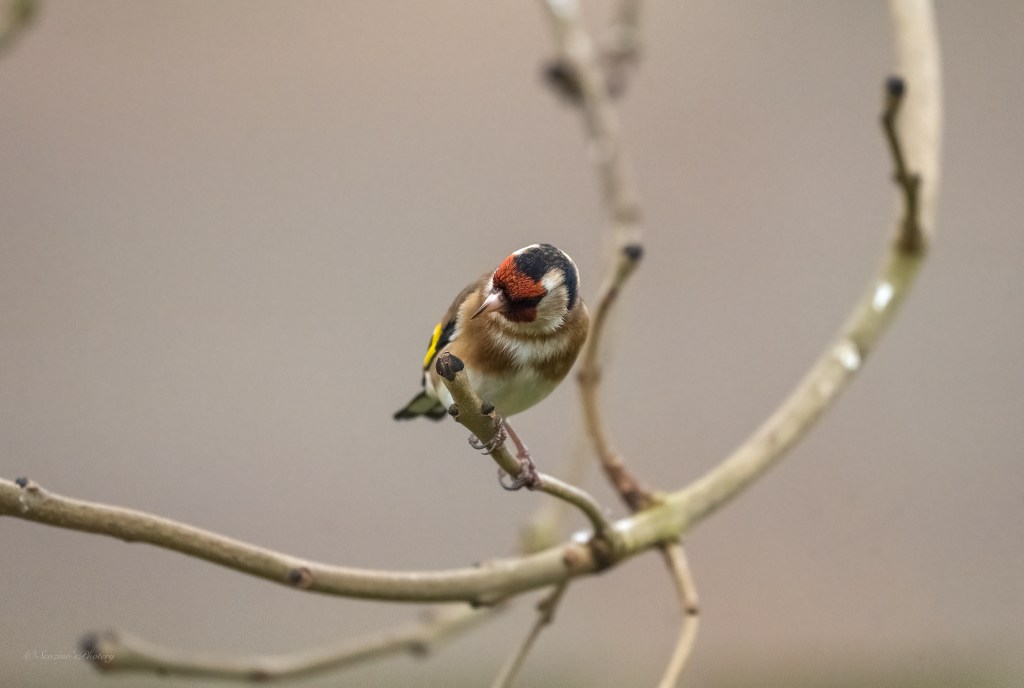
I’ve placed a fallen branch into the ground outside my window to see if they would perch on it (not just the Goldfinches) 🙂
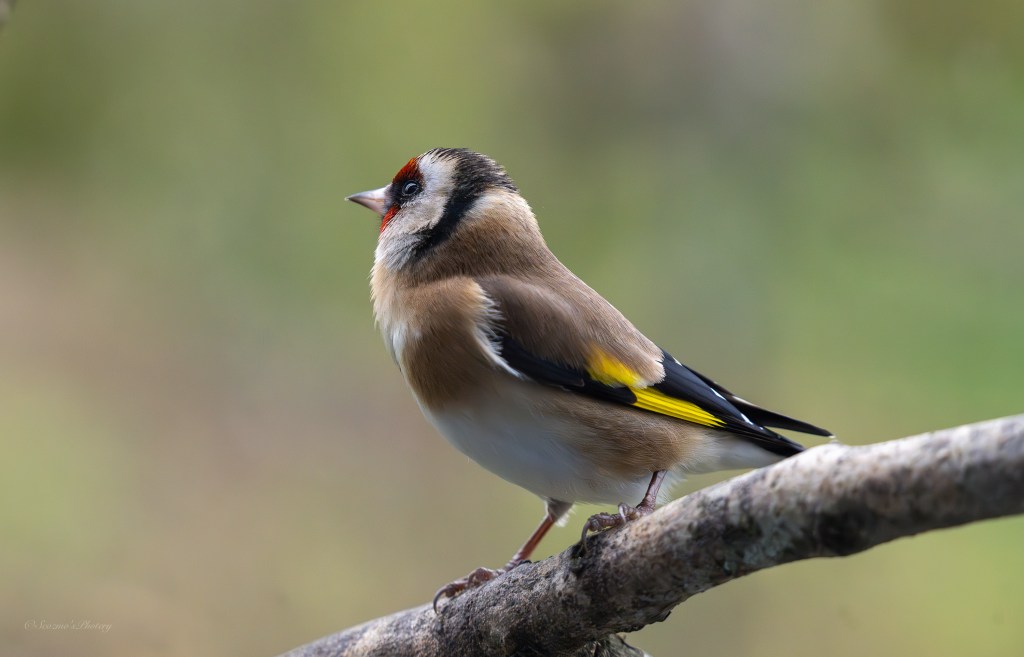
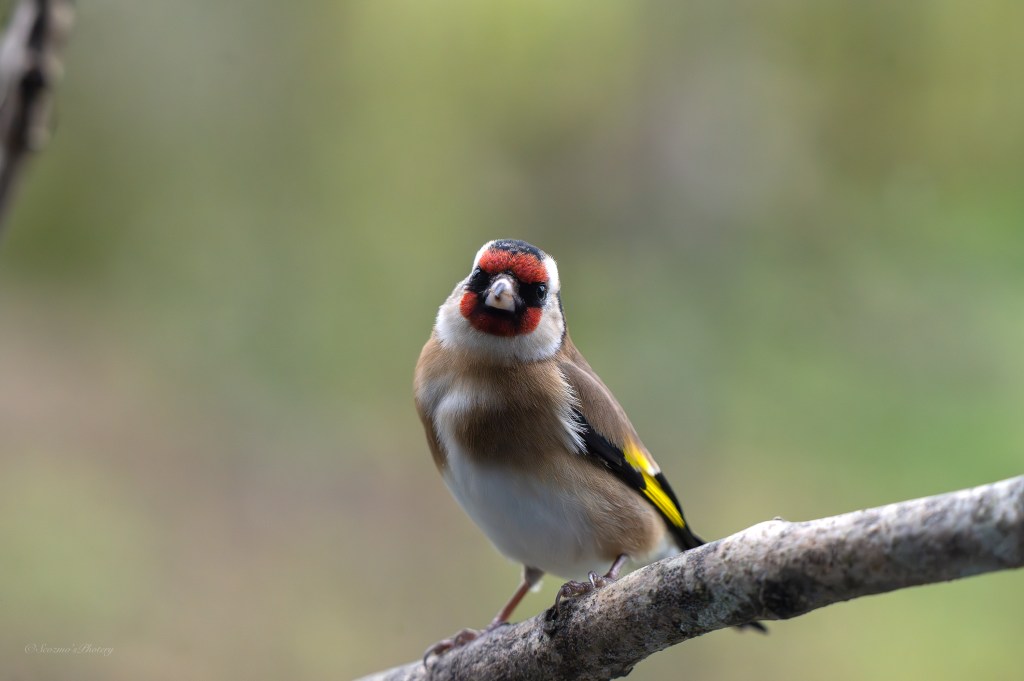
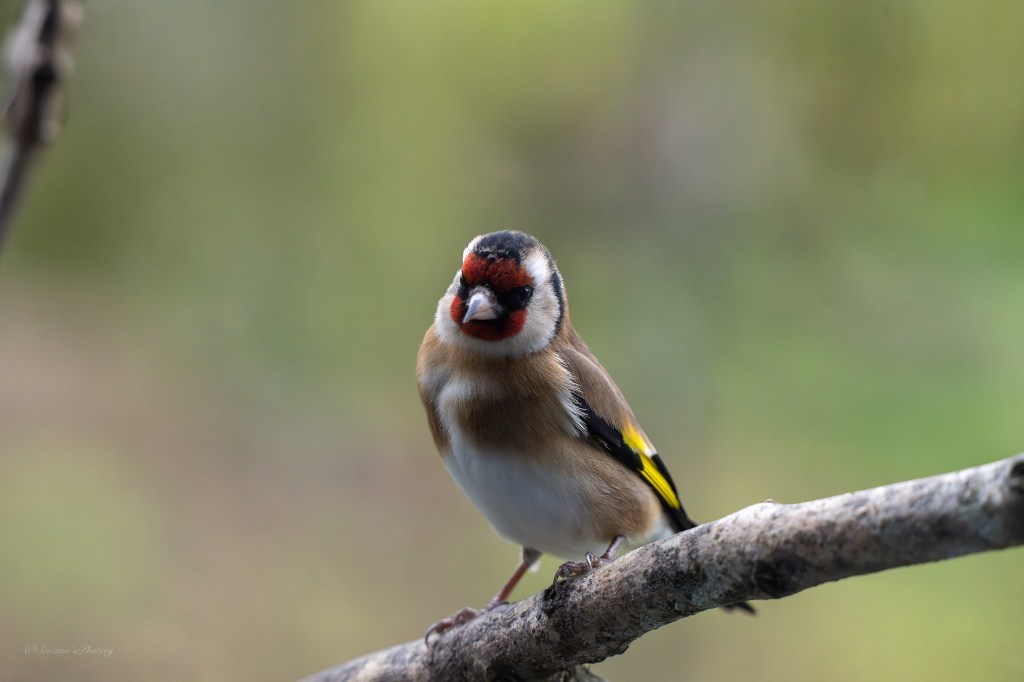
They perch so close that I have to back away from the window for focussing and not scare them off when I move.

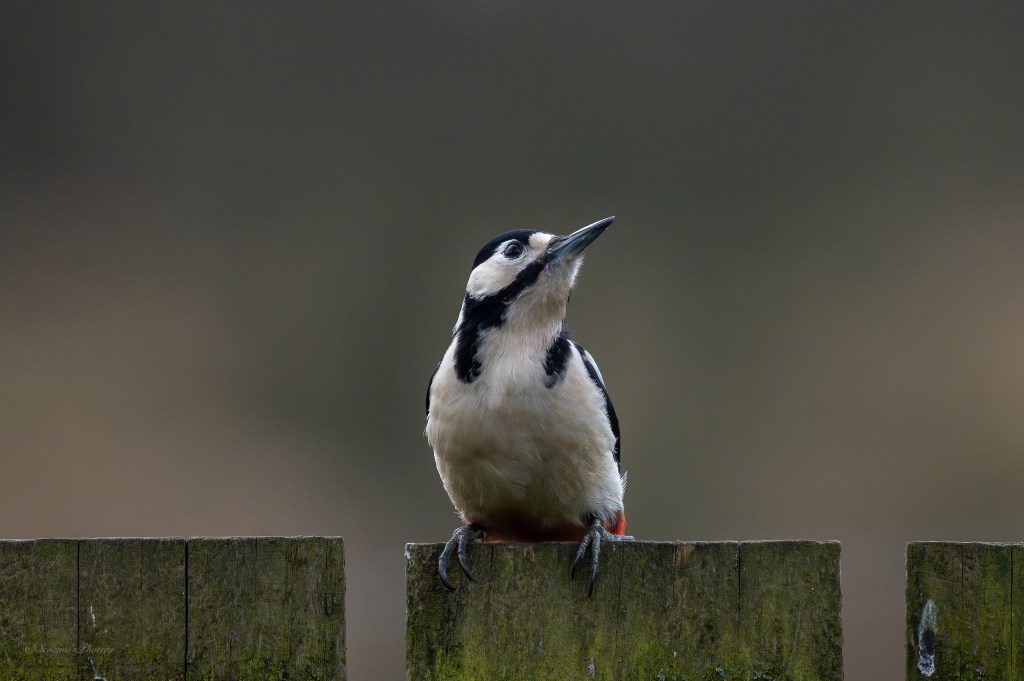
Great Spotted Woodpecker
How happy was I when the first woodpecker appeared on the tree right outside my window? We have three woodpeckers in this country, this guide will help you ID them in case you haven’t seen them all before.

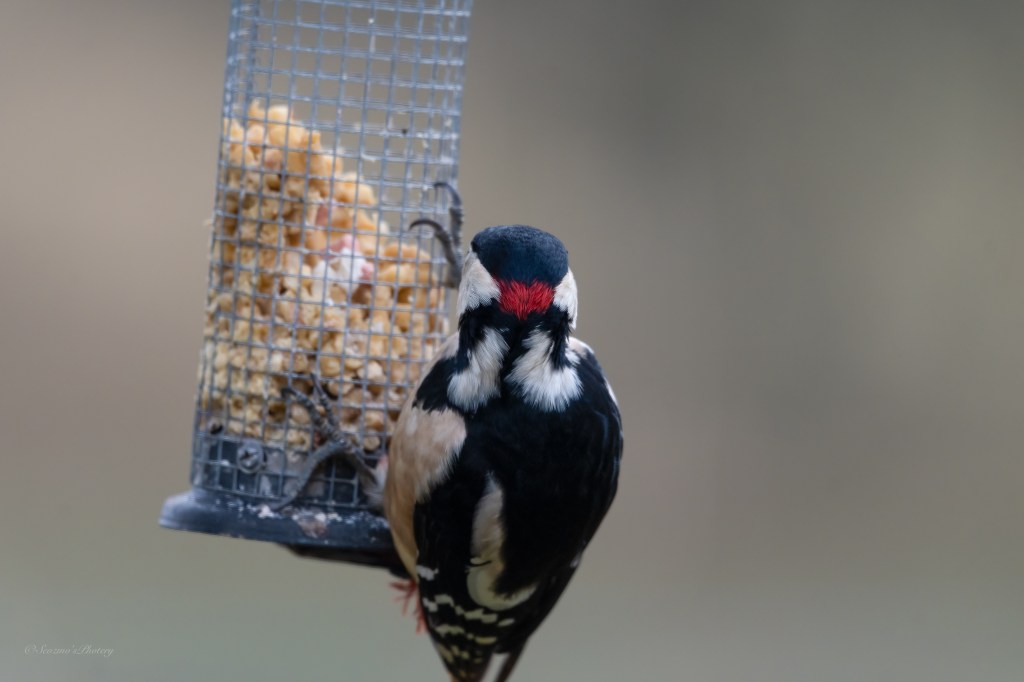
We had a pair turn up in 2022 and, as far as I’m aware, they come back every year. These shots show a female on the left with nor red neck patch and a male on the right, showing the red patch. Young birds all have a red cap until they mature and it them either disappears or stays on the neck as above.
Other than that, I’ve struggled to ID the other GSW (Great Spotted Woodpeckers) that turn up but, I know there is more than one pair.


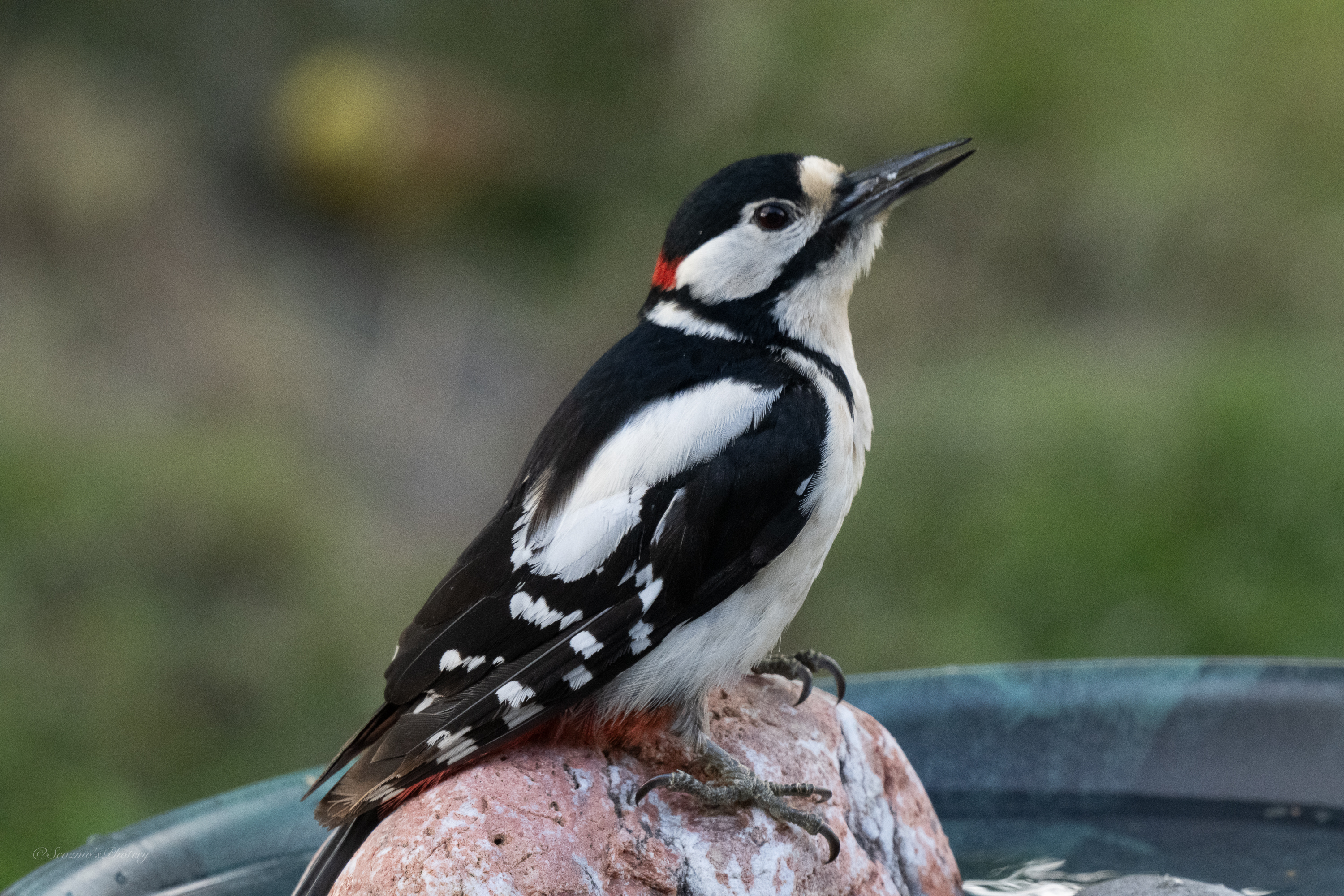
The male above drops down to our bird bath now and again, you can see how close I get to them and they are very aware that I am there, just through the window.
They can also be really funny birds to watch, they’ll land on the trunk of the tree then peep round one side, then the other as they work their way to the feeders, like hide and seek.
I think I’ve backed off from photographing them this year because I took so many in previous years but I am always looking forward to the young ones turning g up later on.
Great Tit
Another of the more common Tits, the Great Tit is possibly the largest that visits the garden. We have at least one pair that come in to feed and they brought young in the last year, the young are very much paler coloured.
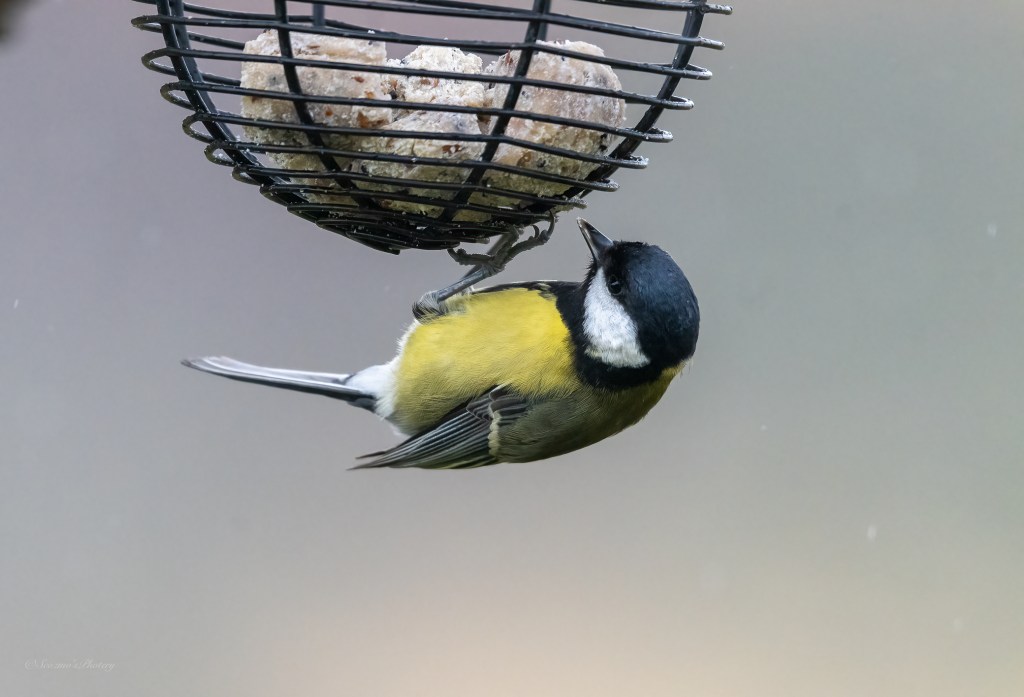
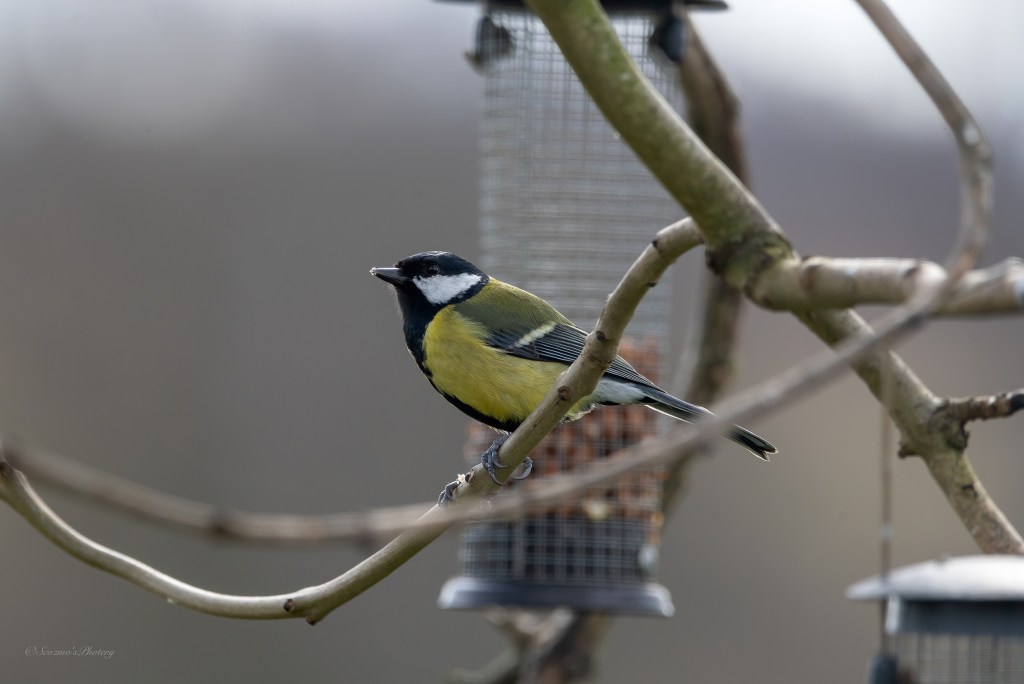
There are slight differences between male and female but I never get the time to ID which, they’re too quick.

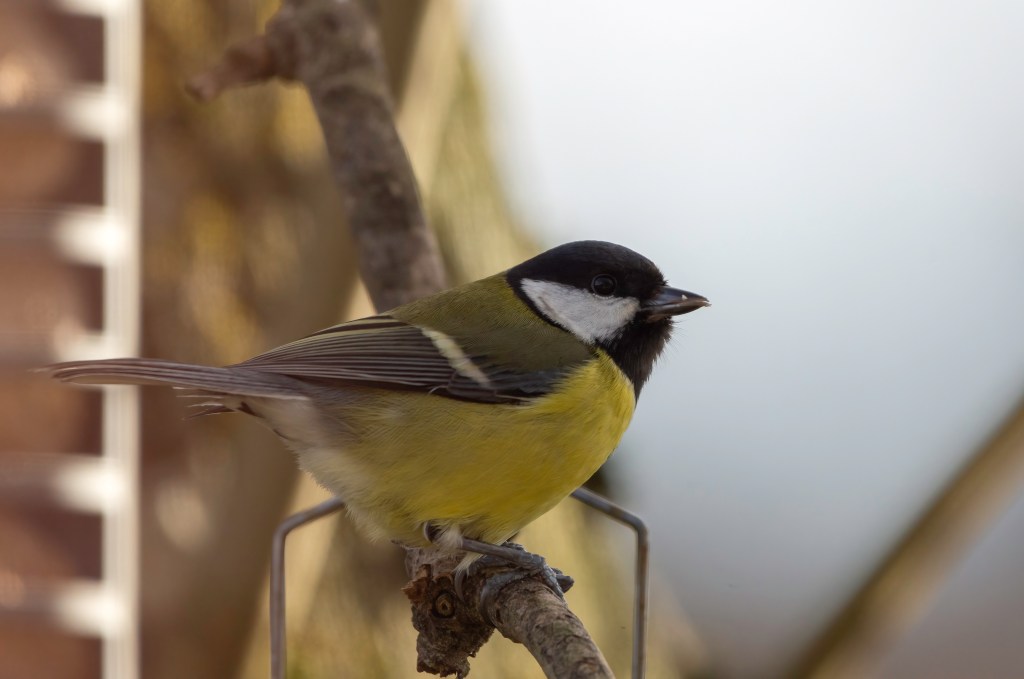
This is another bird I’ve just discovered I haven’t photographed much this year, in the garden, more out in the nearby woods.
Greenfinch
Now this is a bird that is seriously declining all over the UK, last year we had around five pairs all bring young back to the feeders but so far this year I have only seen one lone male. One reason for their decline may well be us feeding them, sadly they suffer from diseases related to shared and unclean feeders. This year the RSPB, for example have stopped promoting tray or flat feeders for this very reason.
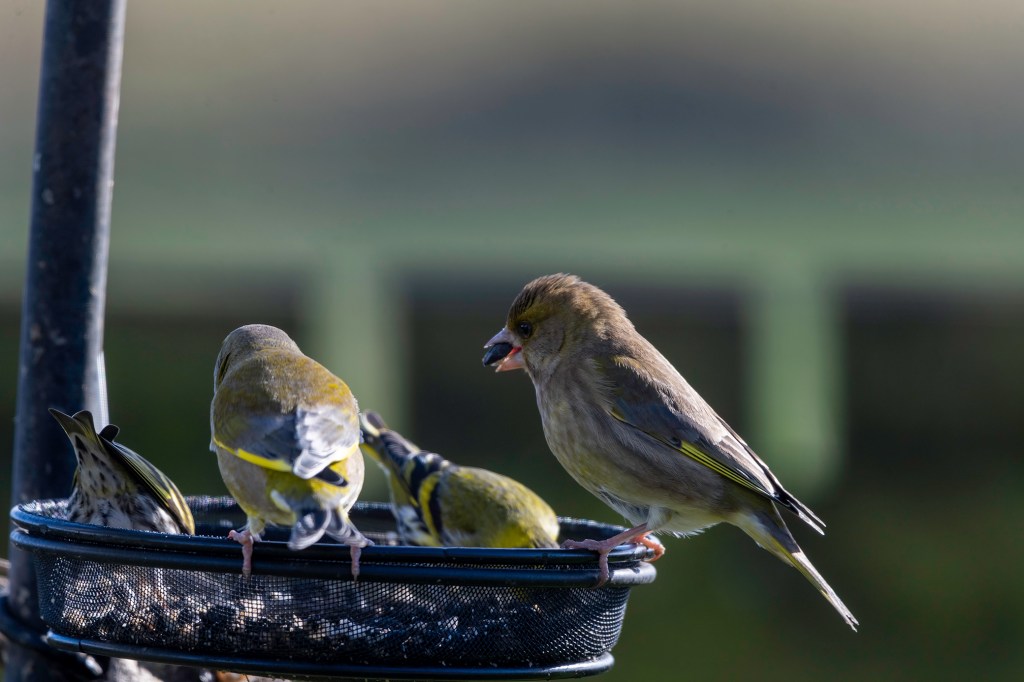

I no longer use the tray feeder shown above but I also clean all feeders regularly. The shots above show the difference between the male, on the left and the female. The left shot also shows a couple of Siskins in the feeder.
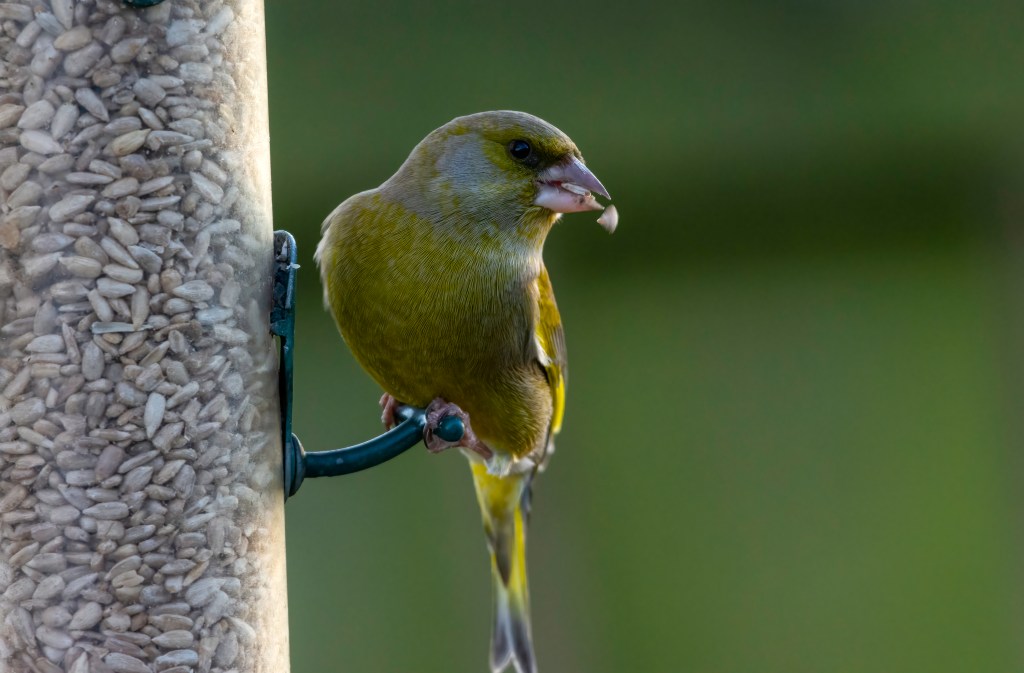
A Greenfinch male on the hanging feeder in 2023

The shot above, from 2024 shows what looks like tow females squabbling over the male in the background 🙂
I record all birds I see on the Birdtrack app.
 Scozmo's Photery